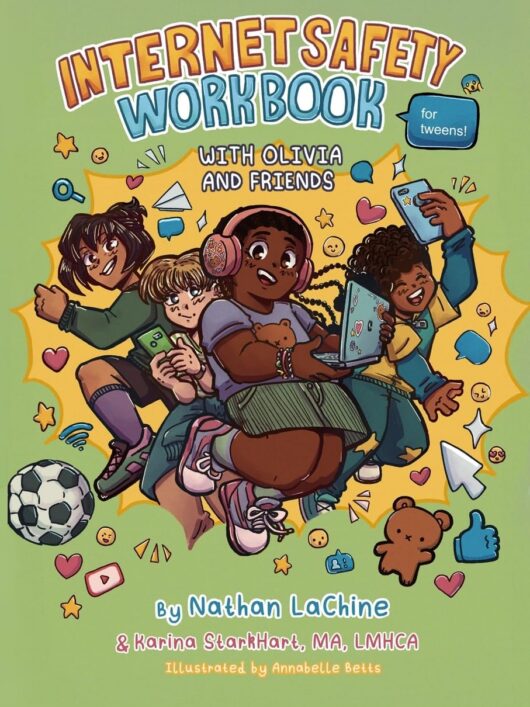
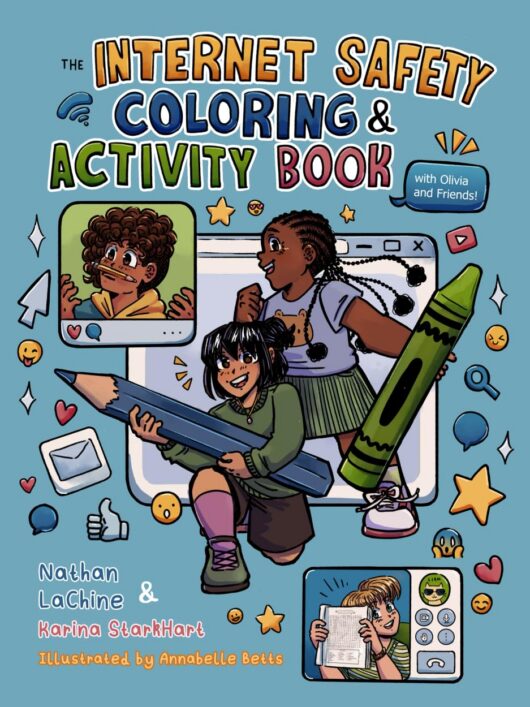
Nathan LaChine is a third-generation foster parent with more than 20 years of experience providing therapeutic foster care to some of Washington State’s most vulnerable children and youth. Throughout his career, he has specialized in supporting youth who have experienced complex trauma, commercial sexual exploitation, human trafficking, and other significant adverse childhood experiences. His frontline experience provides a unique perspective on the challenges young people face particularly in navigating today’s increasingly connected digital world making him a nationally recognized internet safety educator and advocate.
In addition to his work with ECS, Nathan serves as a Board Director and Webmaster for MaleSurvivor, an international nonprofit organization dedicated to providing hope, healing, and support for men who have experienced sexual abuse. He is also a Community Educator for Coordinated Care, a Foster Parent Mentor and Region 5 Representative through the University of Washington’s Alliance for Professional Development, and a longtime advocate for children and families across Washington State.
Nathan is the author of the groundbreaking book Internet Safety Workbook for Tweens: With Olivia & Friends and Internet Safety Coloring & Activity Book: With Olivia & Friends. His books provide age-appropriate, engaging activities and conversation starters that help children, caregivers, and educators discuss topics such as online safety, digital citizenship, cyberbullying, online grooming, privacy, and healthy technology use. His resources are used by families, schools, child advocacy organizations, and professionals throughout the United States and internationally.
As an international speaker and trainer, Nathan has presented for child welfare agencies, healthcare organizations, universities, victim service providers, and national conferences. His mission is simple: empower caregivers and professionals with practical tools, evidence-based education, and compassionate support so every child has the opportunity to grow up safe, connected, and resilient.