Herschel Grynszpan
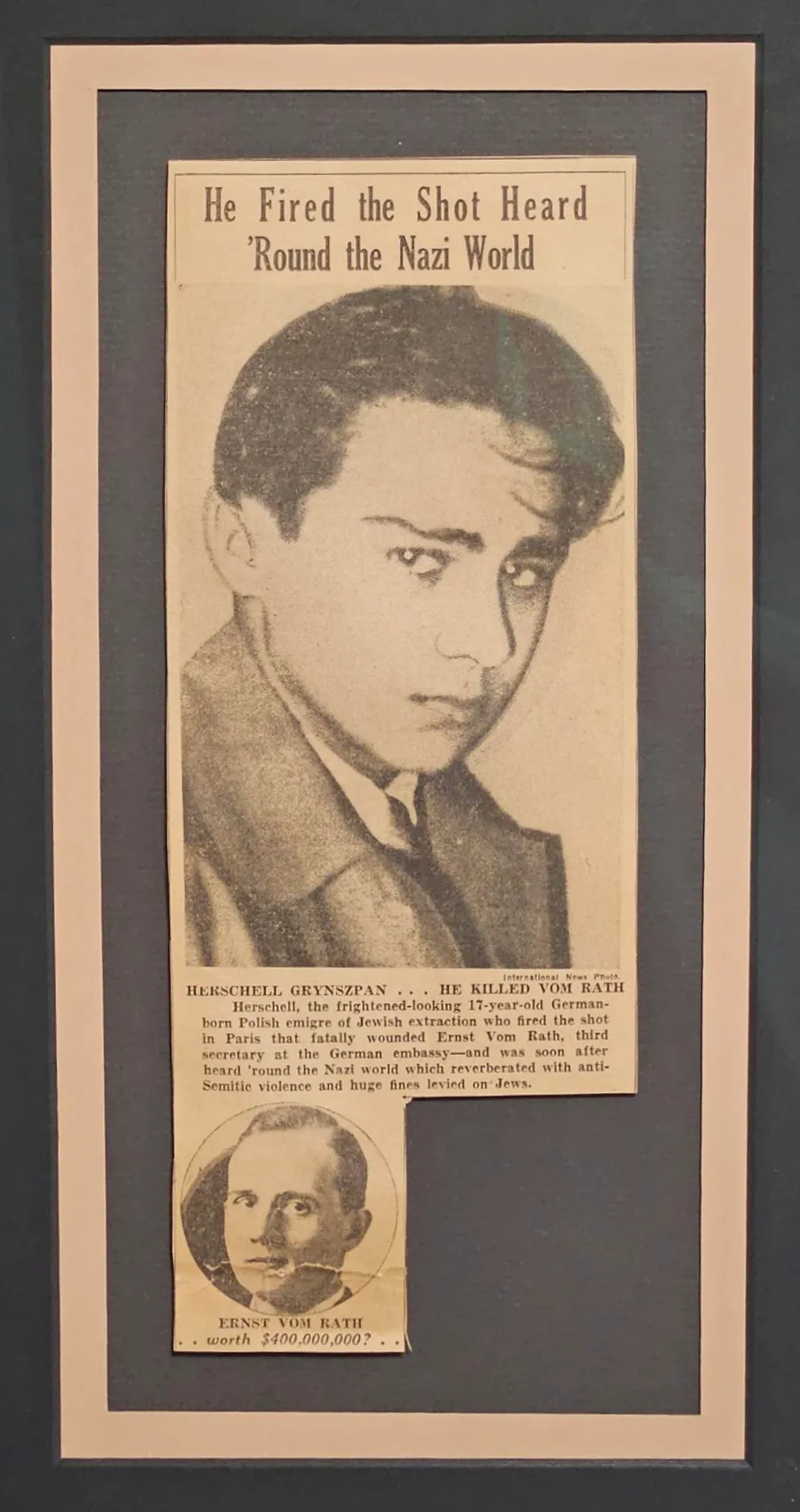
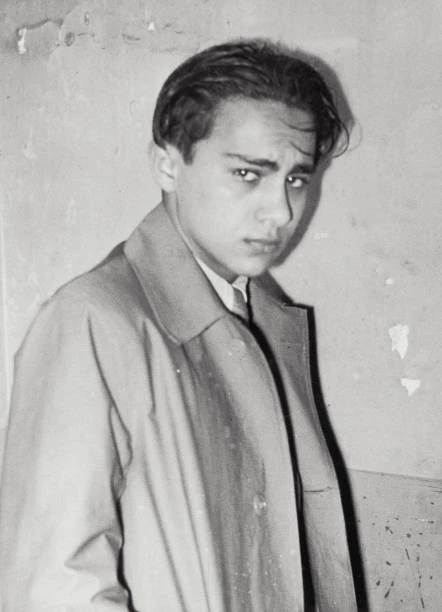
Herschel Grynszpan’s shooting of German diplomat Ernst vom Rath in Paris on November 7, 1938 is important not because it was a turning point in Jewish resistance, but because of how the Nazi regime deliberately used it as a political weapon.
At the time, Europe was already deep into escalating anti-Jewish persecution in Nazi Germany. Just days before the shooting, Nazi authorities had forcibly expelled around 17,000 Polish Jews living in Germany. Many were dumped at the Polish border in freezing conditions, including Grynszpan’s own family, who were left stranded and effectively stateless. Grynszpan, then a teenager in Paris, learned of his family’s suffering and went to the German embassy, where he shot vom Rath.
Vom Rath’s death on November 9 gave the Nazi leadership the opportunity they had been waiting for. Although the Nazi regime orchestrated violence against Jews regularly, Kristallnacht (the “Night of Broken Glass”) was presented to the German public and the world as a spontaneous “popular reaction” to the assassination. In reality, it was a centrally coordinated state pogrom.
There were also rumors and insinuations regarding Grynszpan’s sexuality, including claims that he was homosexual and, in some accounts circulated at the time, that he may have had a sexual relationship with vom Rath. These allegations were unsubstantiated and are generally regarded by historians as part of Nazi-era propaganda rather than reliable evidence.
Some of these claims appeared in Joseph Goebbels’ private diaries, where he recorded and reflected on propaganda narratives being used to frame the incident in ways that served the regime’s political objectives. As no trial was ever completed and Grynszpan’s ultimate fate remains uncertain he is widely believed to have died during the war the historical record does not provide a definitive account of his motives or personal life.
Joseph Goebbels, Hitler’s propaganda minister, used the incident to frame German Jews collectively as responsible for Grynszpan’s act. Hitler and the Nazi leadership approved a nationwide wave of violence that began the night of November 9–10, 1938. SA paramilitary units, along with Nazi supporters, destroyed synagogues, Jewish-owned businesses, and homes across Germany and Austria, killed at least 90 Jews, arrested around 30,000 Jewish men, and sent them to concentration camps.
The Grynszpan case became a propaganda tool that allowed the Nazis to escalate from discriminatory laws and economic exclusion into open, state-sponsored mass violence. It also served to further isolate Jewish communities internationally, as Nazi officials tried to frame Jewish refugees and political exiles as dangerous “foreign agitators,” reinforcing their broader narrative that Jews were enemies of the German state.
In this way, a single act of desperation by a refugee teenager was transformed by the Nazi regime into justification for one of the most visible early mass violence events of the Holocaust.
Share the Post:

Explore the Collection