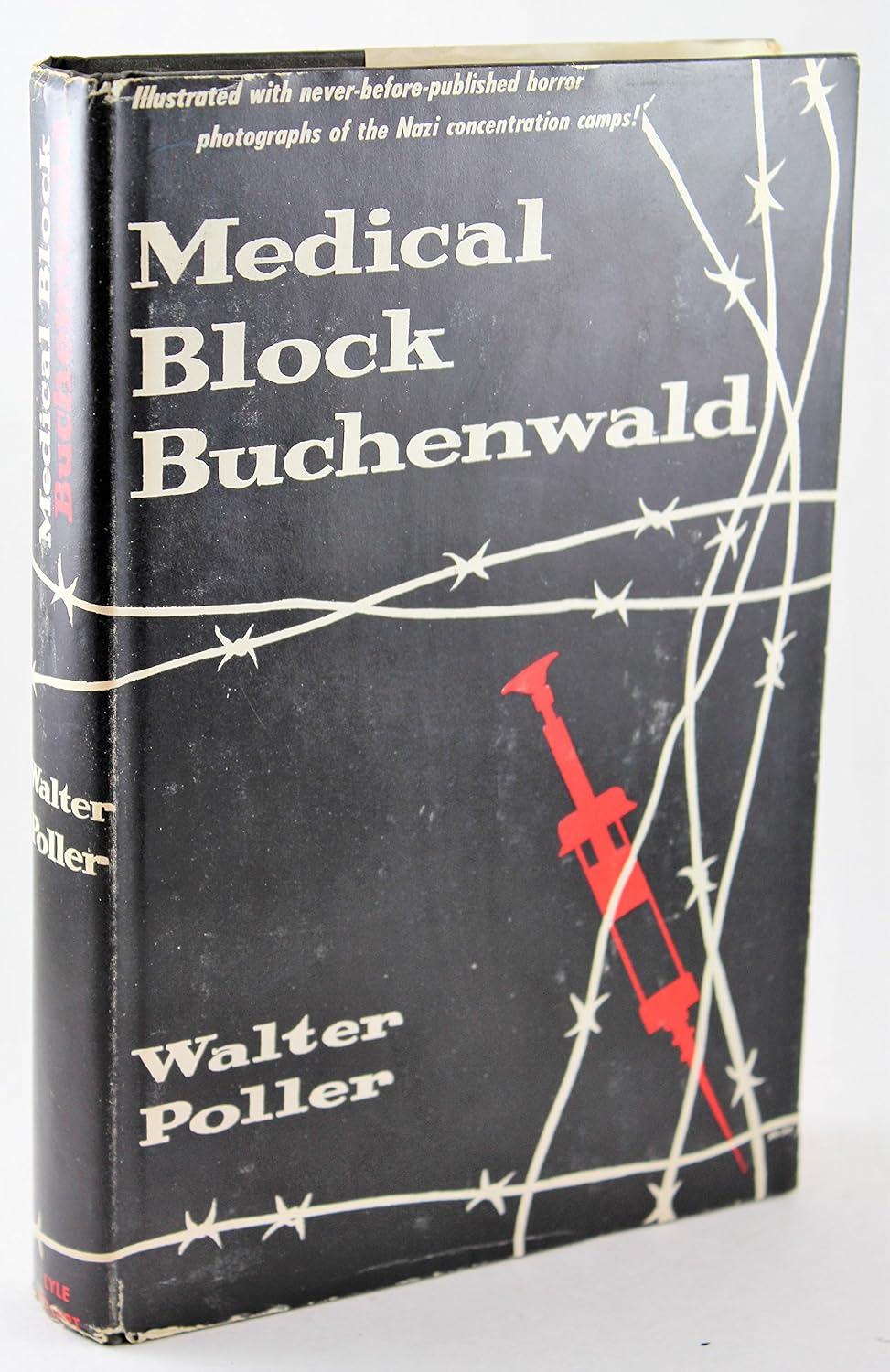
Medical Block, Buchenwald – the Personal Testimony of Inmate 996, Block 36
Bearing Witness to History
Medical Block, Buchenwald: The Personal Testimony of Inmate 996, Block 36 is a powerful firsthand account of life inside one of Nazi Germany’s most notorious concentration camps. Through the eyes of an imprisoned survivor, readers gain a deeply personal perspective on the realities of incarceration, forced labor, medical neglect, and the daily struggle to survive under a brutal regime.
Unlike many historical studies that focus on statistics and military events, this memoir places readers alongside those who lived through the horrors of the Holocaust. The author’s testimony provides a human face to history, offering insight into the fear, uncertainty, resilience, and determination that characterized life within the camp system.
Life Inside Buchenwald
Established in 1937 near Weimar, Germany, Buchenwald was one of the largest concentration camps operated by Nazi Germany. Tens of thousands of prisoners—including political dissidents, Jews, Roma, homosexuals, Jehovah’s Witnesses, prisoners of war, and others deemed undesirable by the Nazi regime—were imprisoned within its walls.
The medical block, where the author was housed, represented a unique and often dangerous environment within the camp. Prisoners who entered the medical facilities frequently faced overcrowding, inadequate treatment, disease, malnutrition, and the constant threat of death. Through detailed observations and personal experiences, the author documents both the cruelty of the system and the acts of compassion and solidarity that sometimes emerged among prisoners despite overwhelming circumstances.
The Importance of Survivor Testimony
Firsthand accounts like Medical Block, Buchenwald play a critical role in preserving Holocaust history. Survivor testimonies provide details that cannot always be captured through official records alone. They remind readers that behind every historical event are real people with families, dreams, fears, and stories that deserve to be remembered.
These narratives also serve as a safeguard against historical denial and distortion. By listening to survivors and preserving their words, future generations gain a deeper understanding of the consequences of hatred, prejudice, and authoritarianism.
Lessons for Caregivers and Educators
At Evergreen Caregiver Support, we believe that understanding history helps us build more compassionate and inclusive communities. Survivor memoirs like Medical Block, Buchenwald encourage readers to reflect on resilience, human dignity, and the importance of standing against discrimination and injustice.
For caregivers, educators, and helping professionals, these stories can also provide valuable insight into the long-term effects of trauma and adversity. They remind us of the strength individuals can demonstrate even in the most challenging circumstances and highlight the importance of creating environments where people feel safe, supported, and valued.
As the number of living Holocaust survivors continues to decline, preserving and sharing their stories becomes increasingly important. Books such as this ensure that future generations can continue learning from the experiences of those who witnessed history firsthand.
Book Information
- Title: Medical Block, Buchenwald: The Personal Testimony of Inmate 996, Block 36
- Genre: Holocaust Memoir / Survivor Testimony
- Topics: Holocaust Studies, World War II History, Human Rights, Survivor Narratives, Trauma and Resilience, Concentration Camps
- Historical Focus: Buchenwald Concentration Camp and the experiences of prisoners within its medical facilities
Share the Post: