- Artist: Casey McKee
- Medium: Large film negative photograph.
- Dimensions: 69 × 72 inches
- Edition: Original
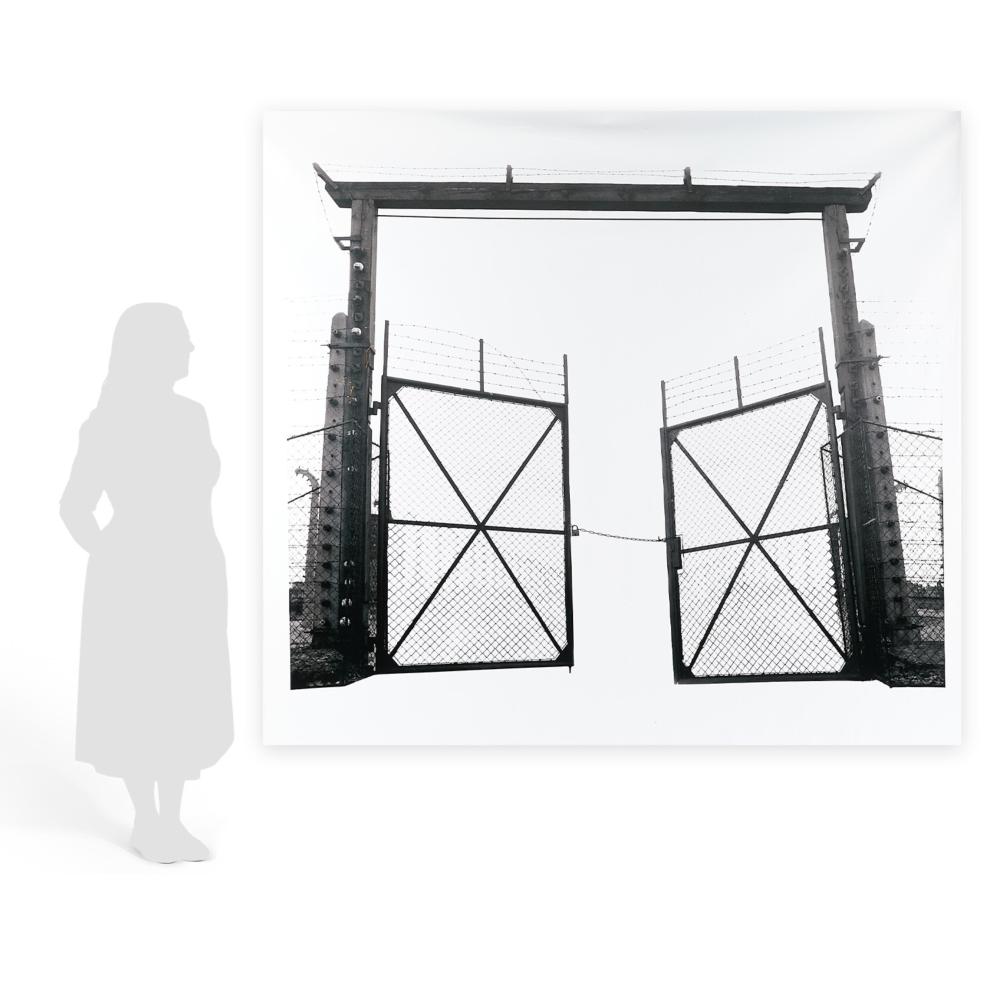
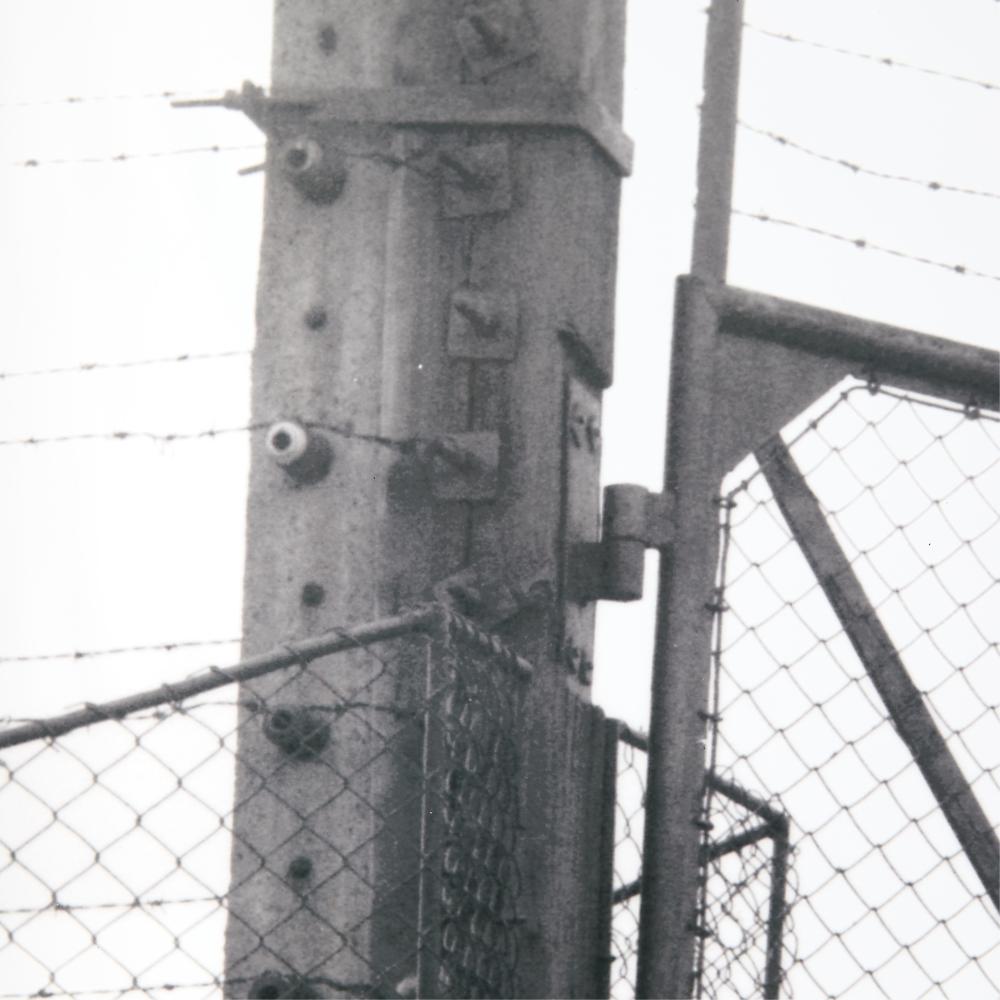
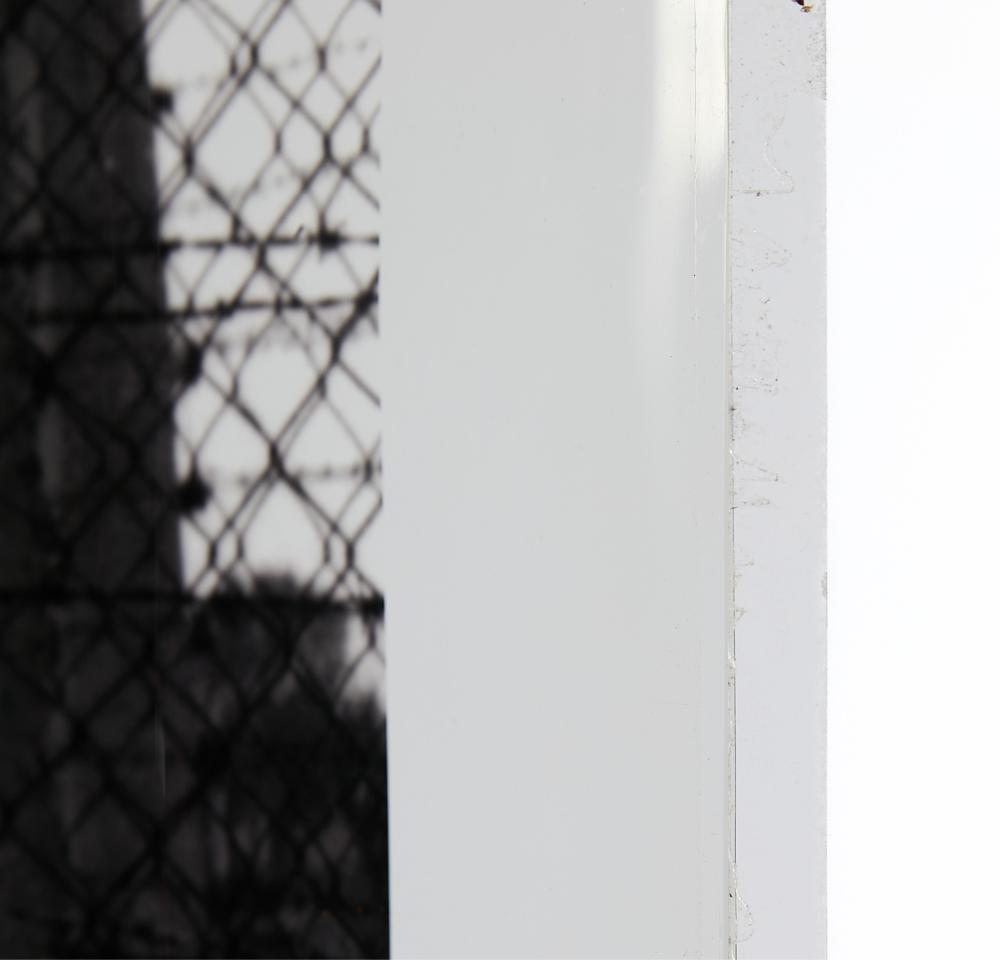
Barbed Gate is a powerful and contemplative work by American artist Casey McKee, exploring themes of memory, history, and collective remembrance. Presented as a monumental film negative photograph, the piece transforms a recognizable historical landmark into a haunting visual meditation on the enduring impact of the past.
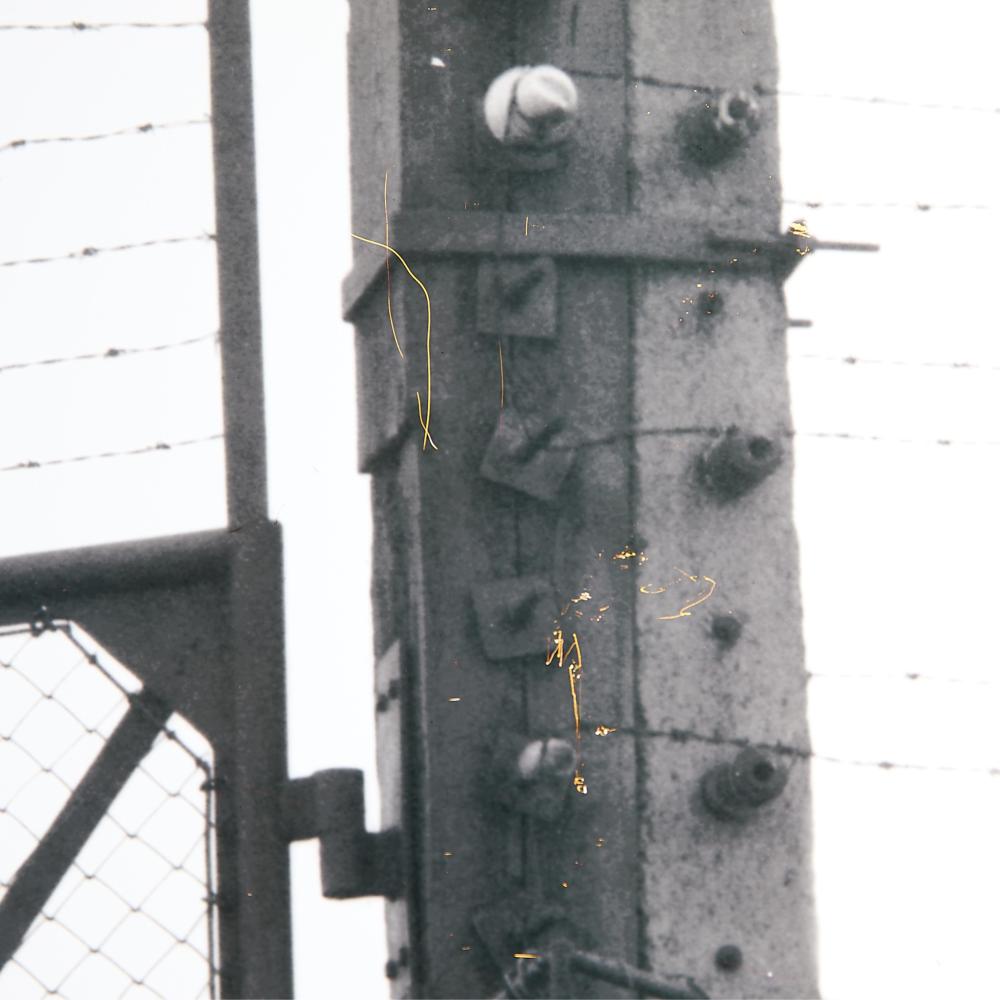
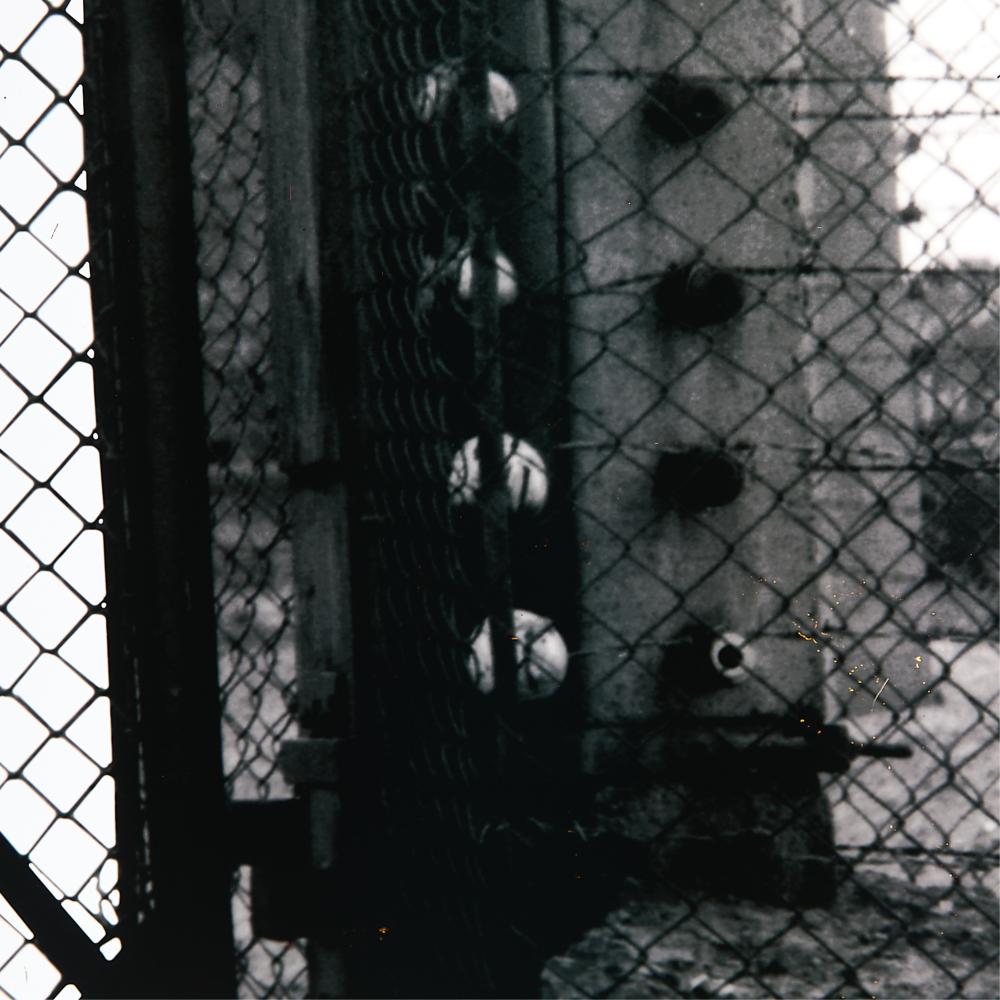
The photograph depicts a gate at Auschwitz II-Birkenau, one of the most significant and tragic sites of the twentieth century. By rendering the image as a large-scale negative, McKee invites viewers to engage with history from a different perspective. The inversion of light and shadow creates an ethereal, almost ghostly presence, turning a physical barrier into a symbolic threshold between memory and forgetting.
Measuring an impressive 69 inches high by 72 inches wide, Barbed Gate commands attention. Its scale encourages a direct and personal encounter with the image, emphasizing both the immense historical weight of the subject and the industrial architecture of the site itself. The work challenges viewers to reflect on the consequences of hatred, the importance of remembrance, and the responsibility of preserving history for future generations.
Casey McKee is recognized for creating evocative photographic works that examine place, memory, and the human experience. This particular piece possesses notable provenance, having been acquired directly from the artist in 2008.
The artwork was subsequently part of the Estate of Gary Fink, a respected Minnesota collector, patron, and advocate for the arts. Known for his unconventional vision and commitment to supporting artists and cultural institutions, Fink made significant contributions to the regional arts community through his philanthropy, collecting activities, and support of the Minneapolis Institute of Art. His legacy continues to influence the appreciation and preservation of contemporary art.
Barbed Gate stands as both a significant photographic artwork and a poignant reminder of one of history’s darkest chapters. Through its striking visual language and compelling subject matter, the work encourages reflection, remembrance, and dialogue across generations.


 Your cart is empty